By Isiaka Wakeel
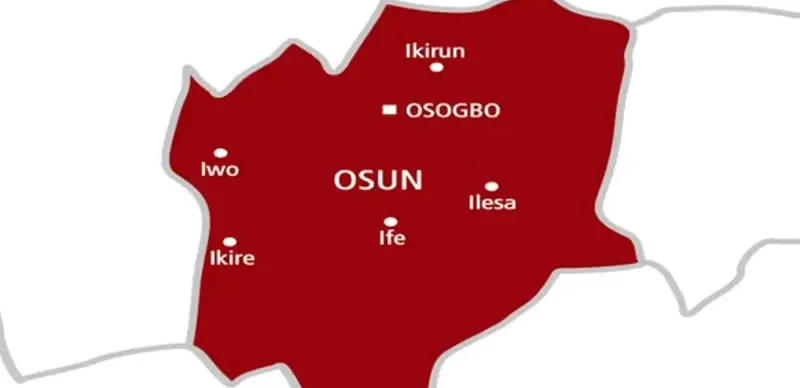
As the August 2026 guber poll in Osun State inches closer, political tension is beginning to rise as is customary in a democratic setting. What is not customary, however, is the disturbing resort by some faceless groups to extreme rhetoric, including calls for a declaration of a state of emergency in the state. These calls, couched in vague claims and alarmist language, appear less motivated by genuine concern for public safety & more by political hostility towards the govt of the day in Osun.
I need to state clearly that a state of emergency is not a routine political instrument. It is one of the most drastic measures recognised by the Nigerian Constitution, meant to be invoked only when a state faces an existential threat. To trivialise such a measure by dragging it into partisan contestation is to undermine both constitutional order & democratic norms.
By any objective assessment, Osun State does not meet the threshold for emergency rule. It is relatively a peaceful state, at least when juxtaposed with several parts of the country that are grappling with banditry, insurgency, kidnappings & communal clashes. I am unaware of any prolonged security breaches, collapse of civil authority or any situation that overwhelms the capacity of existing security agencies in Osun. Markets are still functioning, schools remain open, courts sit & people go about their daily lives without the atmosphere of fear that typically precedes emergency declarations.
Therefore, a pertinent question is: what exactly is the emergency in Osun? Those pushing this narrative have failed to provide verifiable evidence of any security situation severe enough to warrant the suspension of democratic structures in Osun. Instead, what I am seeing is a familiar pattern in Nigeria’s political history: each time elections draw near & political competition tightens, some actors seek to ‘invent’ crises to weaken incumbents or invite external intervention. This approach is both irresponsible & dangerous.
The incumbent governor of Osun was elected through a constitutionally recognised process. His mandate, like that of any other elected official, can only be renewed or withdrawn through democratic means. While Adeleke’s administration is not immune from criticism, dissatisfaction with governance is not & should never be a ground for emergency rule.
In my view, any call for a state of emergency in Osun of today amounts to an admission of political failure & suggests an inability to engage the electorate, articulate alternatives or wait for the voters’ verdict in August 2026. It is nauseating that instead of competing in the marketplace of ideas, some actors are hellbent on tilting the playing field by portraying Osun as ungovernable! Maybe they don’t even know that this tactic has far-reaching implications beyond Osun. Once the bar for declaring a state of emergency is lowered to accommodate political intolerance, no state is safe any longer. Such a precedent could turn emergency powers into political weapons, deployed not in defence of citizens but against democratic choice.
There is also a significant socio-economic cost to this kind of rhetoric. Branding any peaceful state as unstable sends the wrong signals to investors & creates unnecessary anxiety among residents. In a country already grappling with negative perceptions & economic headwinds, states cannot afford the reputational damage that comes with false alarms. Moreover, the psychology of fear is itself destabilising. When political actors & their agents provocateurs repeatedly cry wolf, they erode public trust & dull the society’s ability to respond when genuine emergencies arise. Security discourse should be guided by facts, intelligence & professional assessment, not by campaign calculations.
If there are concerns about governance in Osun, they can be raised through multiple channels created by the country’s constitution. The ballot box, not emergency proclamations, is the proper forum for passing judgment on any administration. National security must not be outsourced to partisan pressure. Allowing local political disputes to masquerade as security threats will surely amount to a dangerous politicisation of federal power. Emergency powers, once invoked, often outlive their original justification & leave behind scars on democratic institutions. They should, therefore, remain a last resort, not a convenient tool for political brinkmanship.
I don’t doubt that Osun will witness intense political engagement as August approaches. That is healthy & expected. What must be resisted, however, is the descent into manufactured crises & constitutional shortcuts being orchestrated to subvert the will of the people. Osun deserves better than politics driven by fear & sabotage. It deserves a contest of ideas & visions for development. The people of the state should be allowed to assess their leaders freely & fairly, without the shadow of contrived emergencies hanging over their choice.
Here is my candid advice: those who truly have the interest of Osun at heart should invest their energy in persuasion, mobilisation & credible alternatives; not in desperate calls for extraordinary measures that the state neither needs nor deserves.